






We build systems that are provably
correct, reliable, and fast.

Aerial top-down view of the Bow River cutting through downtown Calgary at golden hour, with bridges, the downtown grid, and parkland visible.

§ 01  ·  In production

Our work runs in thereal world.

  • Cenovus Energy

    energy

  • Hotchkiss Brain Institute

    healthcare

  • O'Brien Institute for Public Health

    public health

  • SMART

    education

Selected for the following programs

  • Microsoft for Startups
  • OVH Startup Program
  • McGill Dobson Centre
  • IVADO Scientist in Residence
Calgary · Bow River, top-down§ 01
BuildLess/Build Decision Sprint

Before you build, know it matters.

We turn product ideas into live tests in days, put them in front of real users, and end with a clear build-or-kill decision grounded in evidence.

  • Fixed-scope validation sprint
  • Starting at $8k
  • Managed end-to-end
Open BuildLess
Sprint cycle · 1 to 2 weeks
  1. § 01Scope riskd 01
  2. § 02Build testd 02–05
  3. § 03Observe usersd 05–09
  4. § 04Make the calld 10
Idea inShip it

Engagements, on the record.

Real systems in production. What they did before, what they do now, and how they got there.

    012024 · Operational analytics · forecasting & predictive maintenanceFull report →
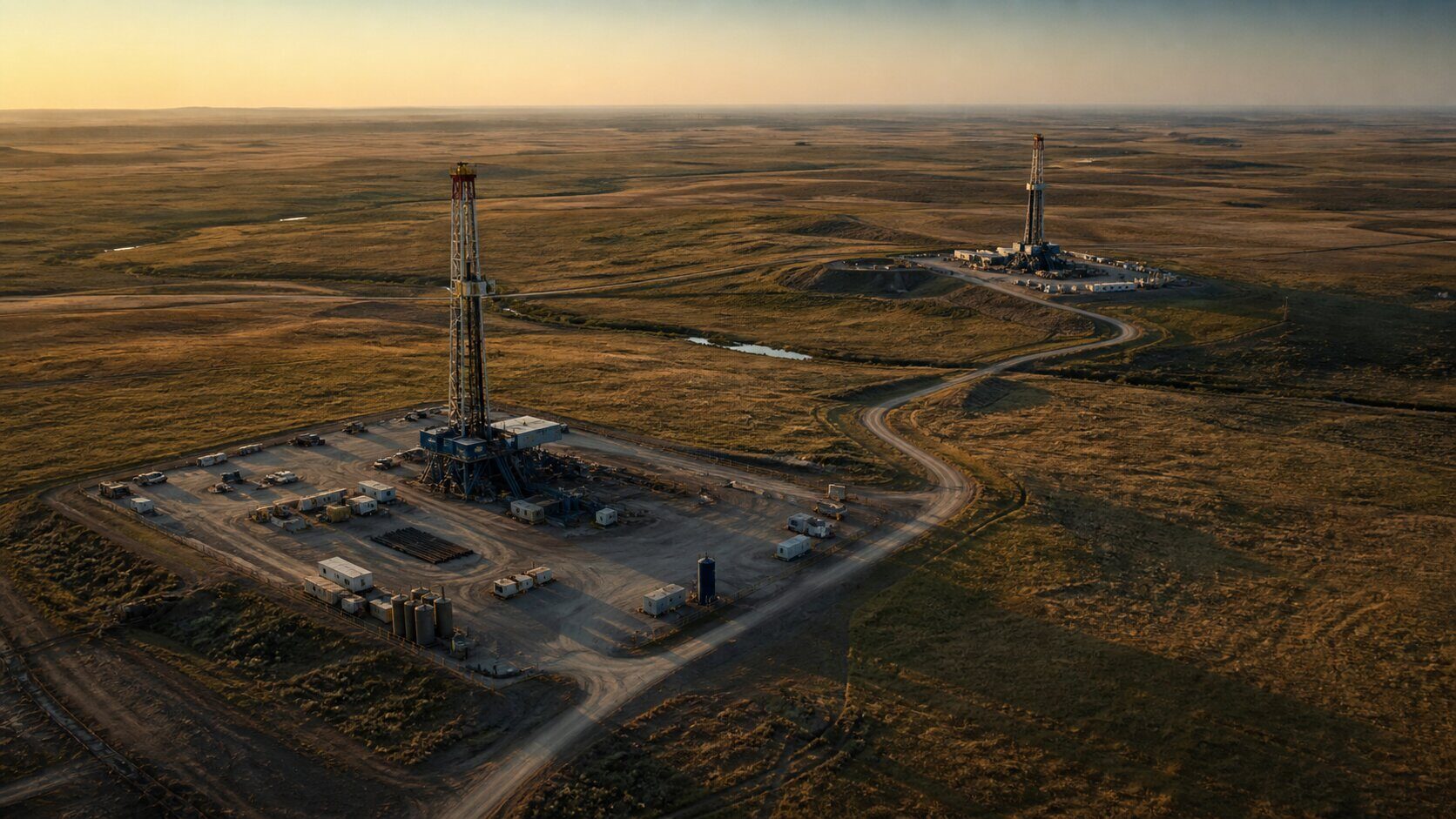
    Aerial view of two drilling rigs on a prairie operational site in Alberta at golden hour, with service roads cutting through the landscape.
    Cenovus operations · AlbertaIMG-02

    Cenovus Energy

    Problem  ·  Operational data from multiple Cenovus facilities (sensor readouts, raw logs) was arriving with irregular sampling, missing values, and inconsistent units, blocking any reliable forecasting or predictive-maintenance work.

    Outcome  ·  Built a secure end-to-end pipeline covering ingestion, feature engineering, model training and reporting, with gradient-boosted trees and recurrent neural networks evaluated per task. Models were containerised and deployed to cloud; daily dashboards now surface insights for engineers and automated reports replace manual rollups.

    Reporting cadence

    Daily

    automated dashboards across facilities

    Stack

    Python · gradient-boosted trees · RNNs · containerised cloud deploy

    022024 · Hyperspectral imaging · Alzheimer's detectionFull report →
    Neural decoding waveforms on a clinical research display, with a gloved researcher’s hand reaching toward the screen.
    Neural decoding pipeline · clinical researchIMG-03

    Hotchkiss Brain Institute

    Problem  ·  Detecting Alzheimer's disease from hyperspectral imaging on blood samples. A noisy time-series problem with real risks of data leakage and outlier-driven results that would invalidate the model.

    Outcome  ·  Built the pipeline with Gaussian smoothing, MinMax scaling and MiniRocket-style feature extraction, then benchmarked GRU, RNN, LSTM and HIVE-COTE 2.0 against XGBoost, LightGBM and Random Forest. Random Forest came out on top.

    Accuracy

    > 98%

    Random Forest on hyperspectral blood samples

    Stack

    Random Forest · LSTM · HIVE-COTE 2.0 · XGBoost · LightGBM

    032023 · K–12 education · teacher-facing AI toolsFull report →
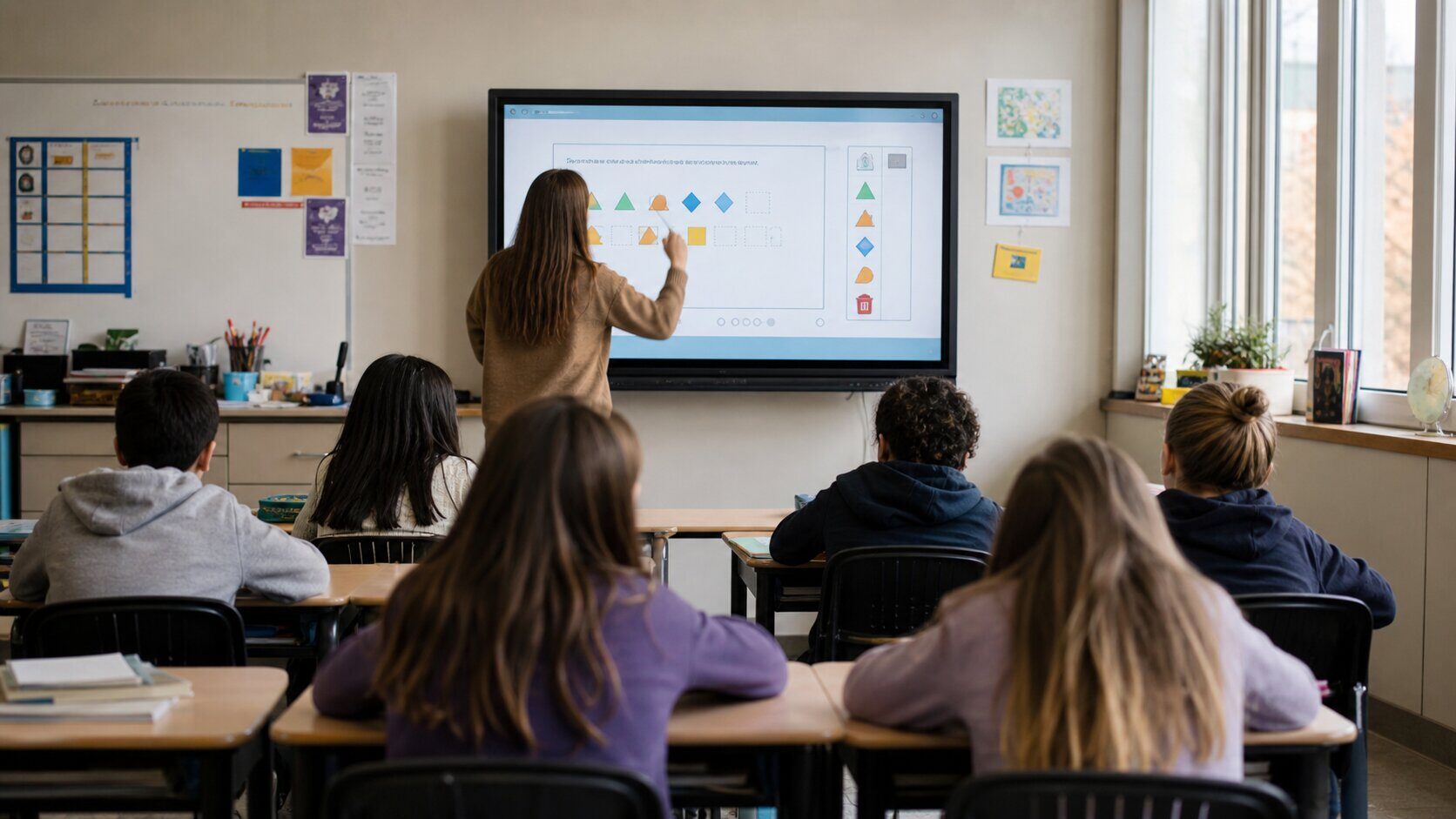
    A teacher at the front of a bright K–12 classroom using an interactive worksheet on a large SMART display, with students at their desks watching and engaged.
    Generated interactive on a SMART board · classroomIMG-04

    SMART Technologies

    Problem  ·  Teachers want interactive lessons but have almost no time to build them. Turning a topic line like "make a counting game for kindergarten" into a polished, classroom-ready activity is out of reach in a normal prep window.

    Outcome  ·  Shipped a generation pipeline: Claude 3 Sonnet decomposes the request and drafts the activity, a Rust Actix-Web service moderates, spell-checks and sanitises the output, and a Next.js frontend streams the activity live to the browser for preview and edits. Embeds directly into SMART Boards and LMSs.

    Activities generated

    300+

    across 5 schools · 150+ students · 8 months

    Stack

    Rust Actix-Web · Claude 3 Sonnet · Next.js + React · Prometheus + Grafana

Working notes

§ 02

Calipers · Every system measured

What is happening at GroupLabs?

GroupLabs began as a small group of people with an academic background, working on difficult technical problems. Over time, more of these problems came to us, and it became clear that the work needed structure. The company grew out of that.

From the beginning, we’ve been interested in systems that hold up outside the lab. That means designing for correctness, measuring performance, and treating reliability as something that must be demonstrated, not assumed.

We work directly with real systems. We build, test, and refine them under the conditions they are meant to operate in. Simplicity is preferred where possible. Complexity is introduced only when necessary.

Much of what we do is shaped by repetition. Build something, see how it behaves, improve it. The goal is not to produce ideas, but to produce systems that work.

Over time, this has become a way of working. Careful, deliberate, and grounded in practice. We try to leave every system in a better state than we found it.

That is the work.

§ 03  ·  Engagement intake

01 / Start a brief

Talk to the people who’ll do the work.

We staff small and senior, scope by phase, and end on a written deliverable. We don’t sell decks or hours.

If we’re not the right team for the job, we say so on the first call. The bar is production, not pitch.

team@grouplabs.ca
Compose a brief30 min · intro
WGS84YYC / YUL
CalgaryYYC
51.05°N · 114.07°W
MontrealYUL
45.51°N · 73.55°W
Δ 3,020 km

02 / Where to find us

01

Calgary, Alberta

Studio HQ
+1 (587) 700-9968
Lat / Lng
51.0486°N · 114.0708°W
Local
—:— MST · UTC−07
02

Montreal, Quebec

Satellite office
+1 (825) 365-9891
Lat / Lng
45.5089°N · 73.5542°W
Local
—:— EST · UTC−05