§ 04 · Case study · 2025
Machine learning
Computer vision · single-image nutrition estimation
OrthoFoodie
A monocular nutrition estimator that runs in real time inside a meal-tracking app.
- Client
- OrthoFoodie
- Service
- Machine learning
- Year
- 2025
- Stack
- PyTorch · monocular regression · A100
At a glance
Synopsis
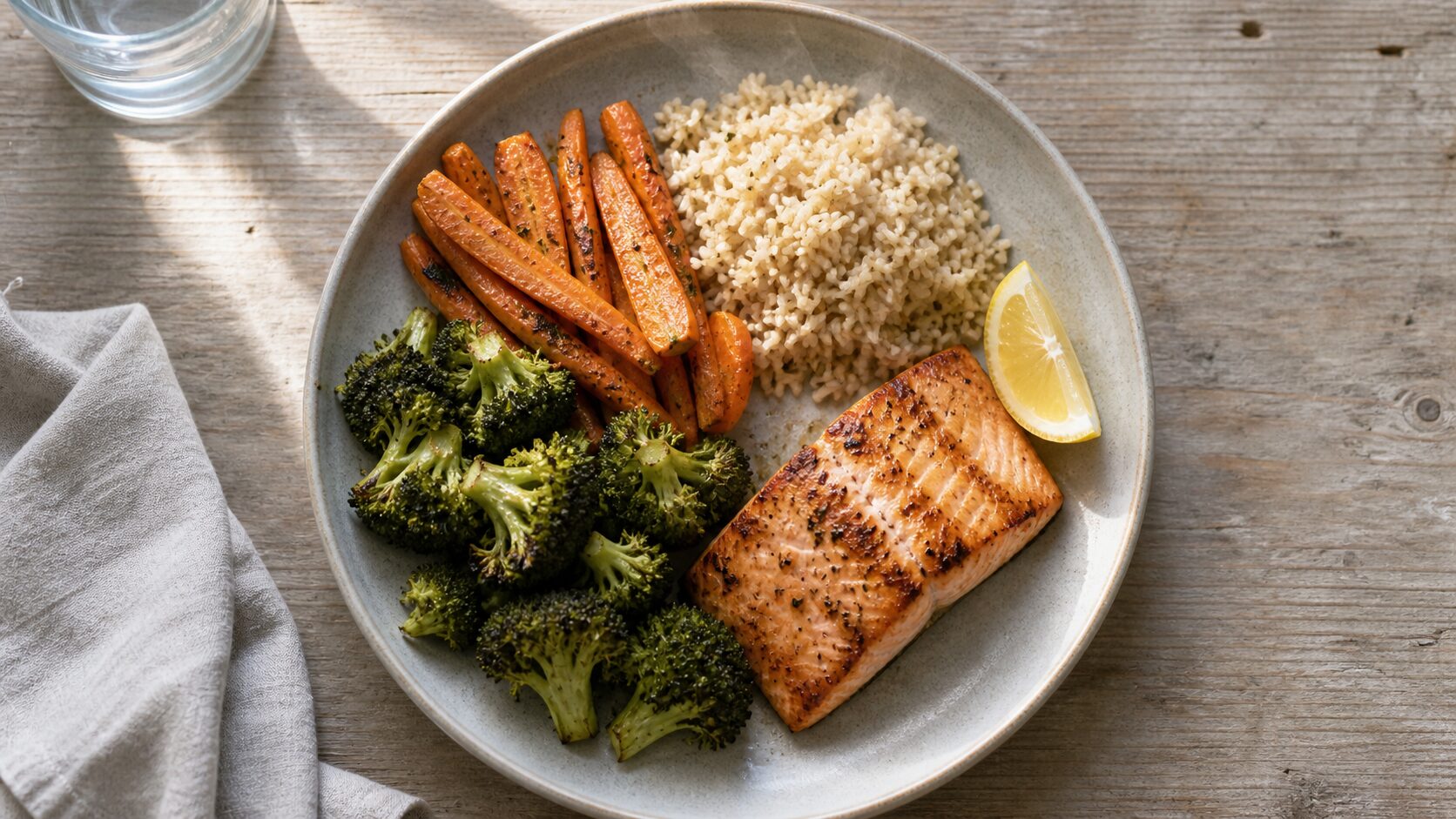
We are working with [OrthoFoodie](https://orthofoodie.app/) on a monocular food and nutrition estimator. Input is one phone photo of a meal. Output is a calorie and nutrient breakdown, fast enough to feel real-time inside an app.
The problem
What was in the way.
A single phone photo carries no depth, no plate-scale reference, and no portion priors. Asking a model to recover calories and macronutrients from that signal is ill-posed by construction.
Make the per-image error too high and the day-level totals (which is what users actually act on) drift far enough to be misleading. Any approach has to be honest about that error and tight enough to be useful in spite of it.
The approach
How we built it.
We trained a single-image nutrition estimator on nutrition5k, with the loss surface shaped for monocular regression rather than borrowed from a classification setup. Architectural and training choices were optimised for the latency budget of an in-app capture flow, not the leaderboard.
Validation was structured to flag where the model degrades, by food category and by portion size, so the product layer above it can decide when to ask the user for a second photo or a manual confirmation, instead of pretending uniform confidence.
The outcome
What it does now.
The current model reaches 36% PMAE on nutrition5k, a strong result for monocular work in this space. Inference runs in around 0.5 seconds on a warm A100-40GB, light enough for a real-time photo-to-estimate interaction inside the app, with room to push further on quantisation and caching.
Result
§ 04
PMAE
36%
on nutrition5k · ~0.5s inference on A100-40GB
Stack
PyTorch · monocular regression · A100
What we did
- Computer vision
- Monocular regression
- Mobile latency
- Nutrition modelling